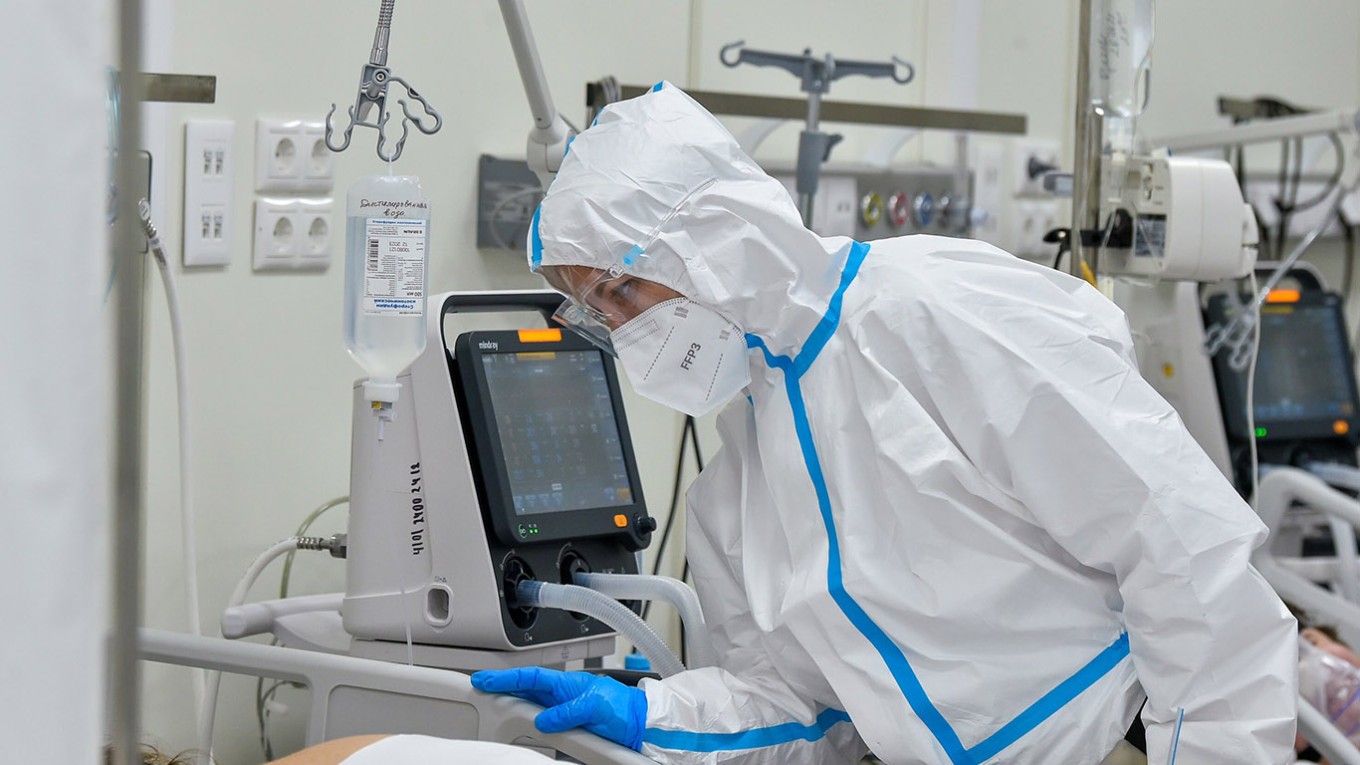
The worker, identified by Russian media as Daria Shipilova, was a technician at the Irkutsk Anti-Plague Research Institute of Siberia and Far East in Shelekhov. She was admitted to the Shelekhov district hospital on September 29 with severe pneumonia, placed on a ventilator, and died on October 2.
According to local outlet People of Baikal, Shipilova told medical staff she had accidentally broken a test tube containing live Yersinia pestis bacteria while collecting samples. That version has not been confirmed.
Russia's health watchdog Rospotrebnadzor said no emergency involving pathogenic microorganisms was recorded at the institute and that tests found "no microorganisms linked to the young woman's professional work" in her samples. Irkutsk Governor Igor Kobzev said an expert commission concluded the cause was "pneumonia of undetermined aetiology" and that all contacts were negative and showed no symptoms.
Still, containment measures were swift. At least 197 people were placed under medical observation, including over 100 in hospital wards, and several hospitals in Irkutsk and Shelekhov were quarantined. Planned public events were cancelled.
In Washington, President Donald Trump said Monday: "We're looking at it very strongly, we just heard about it. We'll help them, we'll help them as much as we can." He called it "a rough disease" and said the US is always willing to help anyone with that kind of problem.
Moscow has not requested help. Kremlin spokesman Dmitry Peskov urged the public to listen to "official statements from professionals rather than rumors and speculation." The deputy head of the Shelekhovsky district and regional authorities insist the situation is under control and there is no panic.
The World Health Organization said it considers the public health risk low but is closely monitoring and has asked Russia for more details. Secretary of State Marco Rubio said Washington is watching "hour by hour."
Pneumonic plague, caused by Yersinia pestis, is treatable with antibiotics if caught early, but can be fatal without rapid treatment.