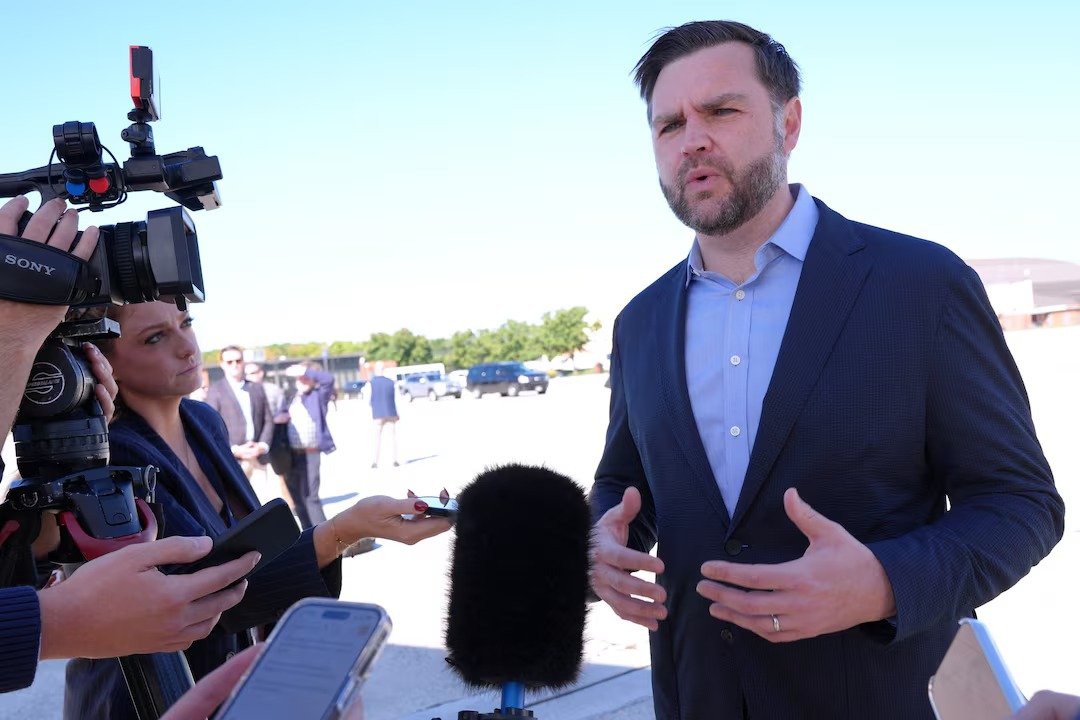
According to a senior administration official speaking to Reuters aboard Air Force Two, the Department of Energy will fund a major segment of a 223-mile (359 km) high-voltage transmission line linking the Beluga power station on Alaska's southern coast to Healy in the interior.
The total project cost is estimated at $400 million. The corridor it serves is critical: it connects major ports and spans the Railbelt region home to nearly three-quarters of Alaska's roughly 735,000 residents.
A Grid Decades in the Making
Alaska's Railbelt grid, which stretches from the Kenai Peninsula through Anchorage to Fairbanks, has long been plagued by single points of failure and constrained capacity. The Beluga-to-Healy line is designed to allow electricity to move efficiently between southcentral generation hubs and interior demand centers, improving reliability during brutal winter peaks and enabling more renewable energy to flow.
This is not Alaska's first bite at federal grid money. In 2023, the Alaska Energy Authority secured $206.5 million under the Biden-era GRIP program for a separate Cook Inlet submarine cable. The Trump administration's $150 million announcement represents a new tranche, focused on the north-south intertie that utilities have sought for nearly a decade.
Energy experts say the upgrade could lower costs for thousands of Alaskans by reducing line losses and allowing cheaper hydropower from Bradley Lake to reach more consumers.
The Senate Seat Behind the Announcement
The timing is impossible to ignore.
Vance is in Alaska to headline a rally for Sullivan, who is locked in a dead-heat reelection fight with Democrat Mary Peltola, the former U.S. House member. Democrats need to flip the seat to have any path to retaking the Senate, and recent polling underscores the stakes.
A New York Times/Siena poll concluded October 1 gave Peltola a 7-point lead, 50% to 43%, over Sullivan. Other surveys, including Quantus Insights, show a virtual tie. With Alaska's notoriously difficult-to-poll rural population and ranked-choice voting system, both parties view the race as a toss-up.
The White House has made a habit of pairing campaign swings with economic announcements ahead of the November midterms, as voters voice concerns over high gasoline prices and the ongoing Iran war. Last week, President Donald Trump touted a $200 billion South Korean investment pledge that included an Alaska LNG pipeline, though Seoul quickly conditioned its support on commercial viability.
Both Sullivan and Peltola have campaigned heavily on energy. Sullivan stood with Trump in the Oval Office to promote the LNG project; Peltola praised the announcement as bipartisan progress.
What's Next?
The DOE is expected to formally detail the funding mechanism Monday. Questions remain about matching funds from the state and utilities, permitting timelines, and construction start dates for the Beluga-Healy segment, which traverses sensitive terrain.
For Sullivan, the $150 million provides a tangible deliverable to take to voters in the Railbelt. For Peltola, the challenge will be arguing that Alaska needs independent leadership, not vice-presidential coattails, to secure its energy future.
With less than a month until Election Day, Alaska's power lines may now carry as much political current as electricity.