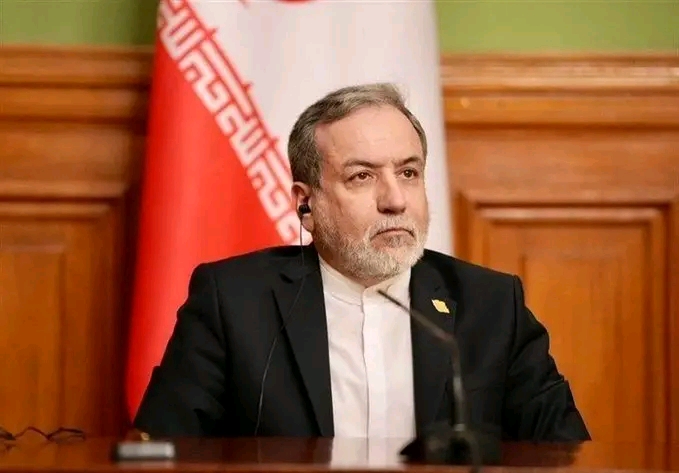
After weeks of claims that negotiations had collapsed, Iran's Foreign Minister Abbas Araghchi said Thursday that diplomacy with the United States is still ongoing and that Tehran will respond to the latest US proposal within days.
The proposal at the center of it all: Iran's "7-Day Plan" to end the eight-month war and reopen the Strait of Hormuz.
1. What is the 7-Day Plan?
Iran presented it on the sidelines of the UN General Assembly in New York in late September, through Qatari mediators.
The sequence, according to Araghchi:
- *Days 1-5:* The US takes specific measures already listed in the June 18 Islamabad MoU - lifting the naval blockade around Iranian ports, easing oil export sanctions, and releasing frozen funds.
- *Day 6:* Iran reopens the Strait of Hormuz and restores normal maritime passage.
- *Day 7:* Direct negotiations resume for a final, comprehensive agreement.
Araghchi called the plan "fair and logical" and said if Washington is serious about a deal, "everything is now prepared."
2. Why this is significant now
Publicly, the signals were all negative.
President Trump said he had rejected the Iranian proposal outright, claiming the US has imposed "the largest blockade in military history" and has full control of the Strait.
President Pezeshkian said on Monday that talks with the US were "meaningless" and accused Washington of attacking Iran three times right after negotiations.
But behind the scenes, the channel never died.
On September 30, Iranian government spokeswoman Fatemeh Mohajerani confirmed Araghchi received the US feedback in Doha on his way back from New York and briefed President Pezeshkian at a cabinet meeting.
Sources close to the talks told Reuters the disagreement is not about _what_ is in the plan, but the _order_ of implementation. Washington wants Hormuz reopened first. Tehran wants sanctions relief first.
*
3. The context no one mentions
This war started February 28, when Israel and the US launched joint strikes on Tehran. Iran retaliated and choked Hormuz - through which 20% of the world's oil passes.
A June 18 MoU was supposed to lead to a final deal within 60 days. That deadline expired August 17 with no deal. Since September 1, the US has paused airstrikes and switched to "Operation Economic Outcast" - a Treasury campaign to cut Iran's oil exports to zero.
Oil Minister Mohsen Paknejad resigned Oct 5 as the rial collapsed past 2.5 million to the dollar.
Iran is bleeding economically, but militarily, it still holds the Strait. That's its leverage.
*
4.What happens next?
Araghchi's statement today changes the timeline.
Iran is reviewing the US counter-proposal. A reply is expected in the coming days. If accepted, Hormuz could reopen within a week - ending the most dangerous energy crisis since 2022.
If rejected, US officials have warned bombing could resume after the midterms.
For now, despite profound disagreements, the two sides are still exchanging paper.
And in this war, as long as paper is moving, missiles are not.