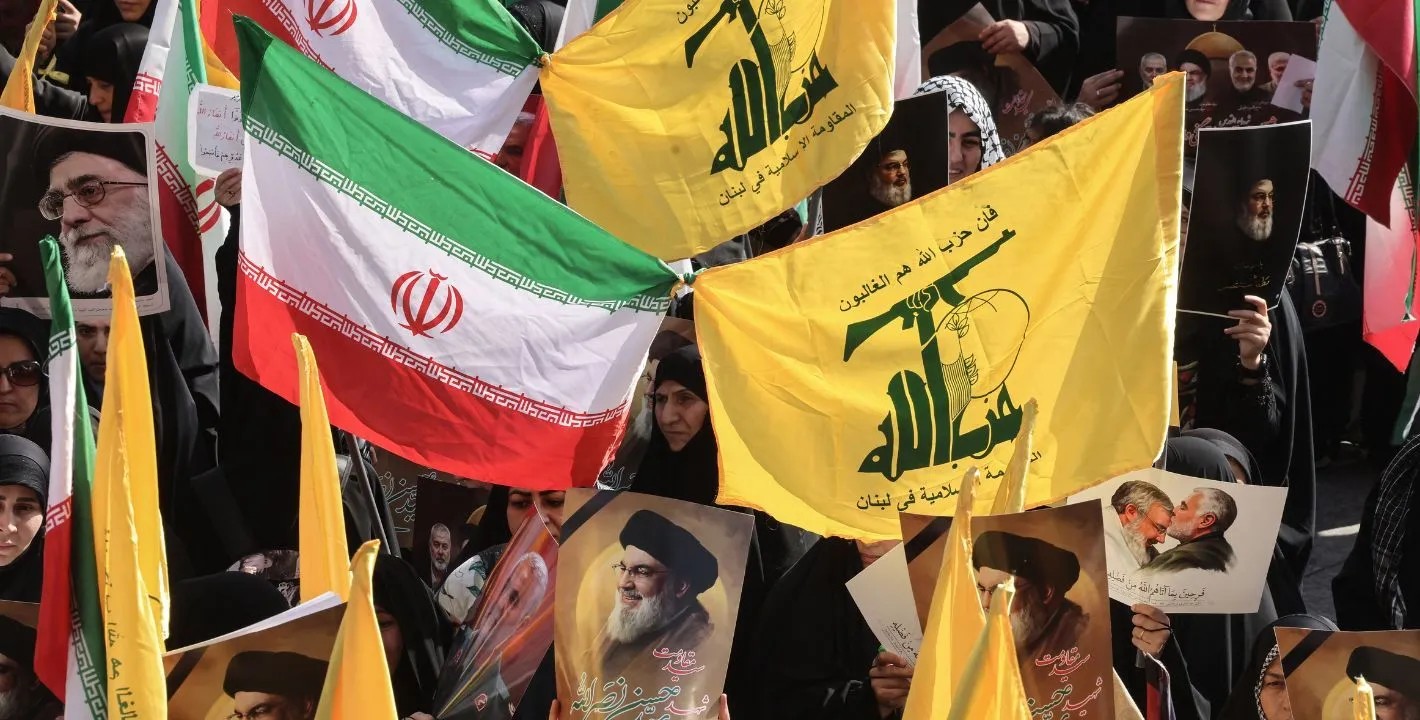
Reuters reported on Oct 7 that Hezbollah received *$200 million from Iran last month* to support Lebanese families displaced by its latest war with Israel. Two sources with direct knowledge of the transfer confirmed it, and a Hezbollah official said "an amount had been secured" with a distribution plan coming soon.
This is the first major aid Hezbollah has been able to pass to its own base since this year's war uprooted hundreds of thousands of Shiite families in southern Lebanon and Beirut's southern suburbs.
*Why moving the money cost a fortune:*
The transfer did not come cheap. Intermediaries charged a *20% fee* - four times the normal rate - just to move the cash, because of the extreme risk of dealing with a U.S.-designated terrorist group under active U.S. Treasury surveillance.
Iran's foreign ministry, its Geneva mission, the U.S. Treasury and the Lebanese government all declined to comment when Reuters asked.
*How the money will be used:*
Reuters says the cash is earmarked for displaced families who have received little to no help so far.
The plan discussed: an initial *$3,000 per family*, with roughly *50,000 families* prioritized first. That tracks with Hezbollah's past pattern - in December 2024 after the previous war, leader Naim Qassem announced $300-$400 per family gifts totaling $77M for 233,500 families, plus $6,000-$14,000 for rent and destroyed homes. Those payments were also financed by Iran.
This new $200M injection is more than double that entire effort.
*Why it matters now:*
Hezbollah entered the regional war on March 2 in support of Iran, triggering Israeli bombardment and invasion that displaced its core constituency. The group has suffered heavy losses in two wars since 2024, lost senior leadership, and is under intense pressure to disarm inside Lebanon.
For months, displaced Shiite families have protested that Hezbollah hadn't opened registration for compensation, even in Beirut suburbs untouched by active fighting. The inability to pay was becoming a legitimacy crisis.
If this $200M gets through as aid, it does two things at once: it keeps families afloat, and it lets Hezbollah step into the vacuum where the Lebanese state can't rebuild - 334,000 people remain displaced as of late August, and World Bank estimates put housing damage at $3.3 billion.
It also shows the pipeline is still alive. Despite a tightening U.S. economic chokehold on Iran and Israeli strikes on financial couriers, Tehran found a way.
The question now is not whether Iran _wants_ to fund Hezbollah, but whether it can keep paying the 20% premium to do it.
Sources: Reuters / Laila Bassam, Maya Gebeily Oct 7, 2026; Jerusalem Post confirmation.